Medical imaging
Imaging follows the specific protocol provided by the medical team.
KNEE AND HIP REPLACEMENT
3D planning and patient-specific surgical instruments for knee and hip replacement, with Medacta technology and cementless fixation.
Swiss quality · Made in Switzerland
Dr Emiliano Díez · Lead trauma and orthopaedic surgeon30 years of experience in joint replacement surgery

Personalisation starts
before entering the operating theatre.
Lead trauma and orthopaedic surgeon
30 years of experience in joint replacement surgery
Sports Medicine and Sports Traumatology
Personalised assessment and careKNEE AND HIP · 3D PLANNING
Studying your joint before surgery allows us to plan a procedure tailored to you.
MyKnee for the knee and MyHip for the hip combine medical imaging, 3D planning and patient-specific instruments. The surgeon reviews the plan and defines the specific equipment needed to reproduce it in the operating theatre.
For the knee, planning can use a CT or MRI scan with a specific protocol. For the hip, MyHip uses a CT scan and, where needed, additional X-rays.
Explore the processSWISS QUALITY · MEDACTA
Medacta · Swiss quality and manufacturing
Your CT or MRI study is sent to Medacta in Switzerland to prepare the 3D reconstruction and proposed plan. The surgeon reviews and approves the plan before patient-specific instruments are manufactured.
Medacta’s manufacturing is based in Castel San Pietro and Rancate, Switzerland. Guides are produced for each case and shipped to the hospital for surgery.
FROM IMAGING TO SURGERY
Knee and hip surgery, with a process tailored to the joint and procedure.
Imaging follows the specific protocol provided by the medical team.
The surgeon studies the anatomy, selects the components and approves the plan.
Medacta manufactures patient-specific instruments in Switzerland according to the patient’s anatomy and the approved plan. They are then shipped to the centre for surgery.
The team uses the specific instruments to carry out the plan and performs checks during surgery.
PERSONALISED PLANNING FOR EACH JOINT
Swiss technology with individual planning and patient-specific instruments manufactured in Switzerland.
The 3D reconstruction allows the surgeon to study the knee's dimensions and alignment. Once the surgeon approves the plan, patient-specific instruments are manufactured to match that anatomy.
The implant is selected from the available range. Personalisation applies to planning and surgical instruments.
Assess my knee
Swiss technology with individual planning and patient-specific instruments manufactured in Switzerland.
MyHip allows the surgeon to study the anatomy and plan component size and position. The surgeon reviews the plan before the specified patient-specific instruments are manufactured.
Planning defines the patient-specific instruments required. The implant is selected from the available models.
Explore hip planningFROM CT SCAN TO SURGICAL PLAN
Swiss technology with individual planning and patient-specific instruments manufactured in Switzerland.
A CT scan provides images used to reconstruct bone in three dimensions. From this model, the team prepares a proposed plan for the surgeon to review before surgery.
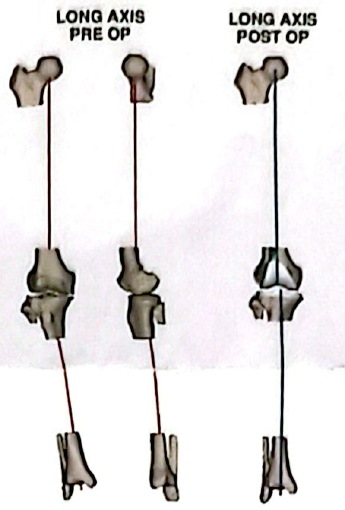
Axis views help assess alignment and compare the initial anatomy with the position proposed in the plan.

Different views show the orientation of the femoral component and the planned bone resections.

The report depicts the tibial surface and records the proposed cuts, slope and size.
It contains 3D reconstructions, measurements, angles, component sizes and planned resections. Once reviewed and approved by the surgeon, the plan is used to prepare patient-specific instruments.
Extracts from a Medacta MyKnee report with identifying data excluded. Measurements and components in this example relate to one specific case; each patient requires an individual plan.
KNEE REPLACEMENT IN PICTURES
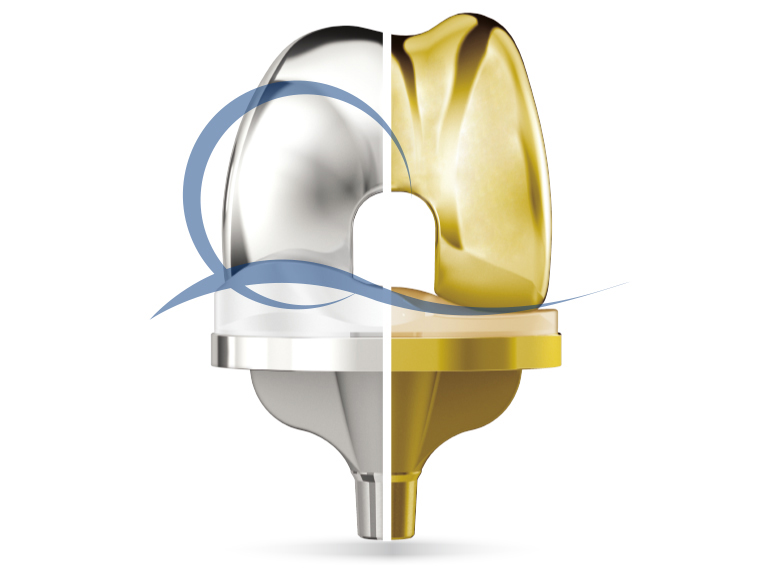
Example components of a GMK Sphere total knee replacement.
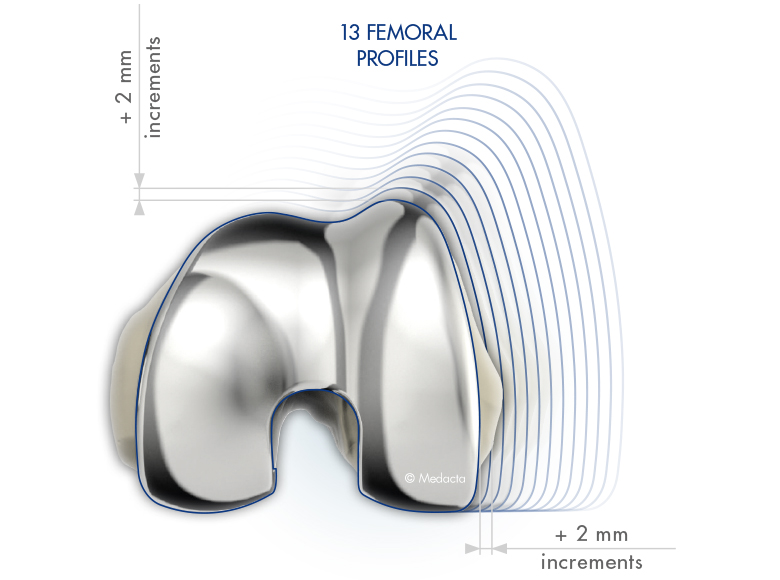
Illustration of femoral component profiles and sizes.
Images from manufacturer Medacta. The model and fixation method are selected after individual assessment.
Manufacturer informationHIP REPLACEMENT WITH PERSONALISED PLANNING
Swiss technology with individual planning and patient-specific instruments manufactured in Switzerland.
MyHip and MyHip Planner allow surgery to be planned using your medical images.
The CT scan examines the pelvis and upper femurs. The team specifies whether other regions need to be imaged to complete the measurements.
The digital model helps the surgeon review component selection and positioning before approving the plan.
When a spinopelvic assessment is indicated, standing and seated X-rays are added to study this relationship in different positions.
Patient-specific instrumentation can include femoral and acetabular guides, depending on the surgical approach and planned procedure.

HIP REPLACEMENT COMPONENTS
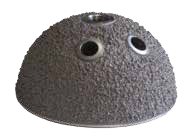
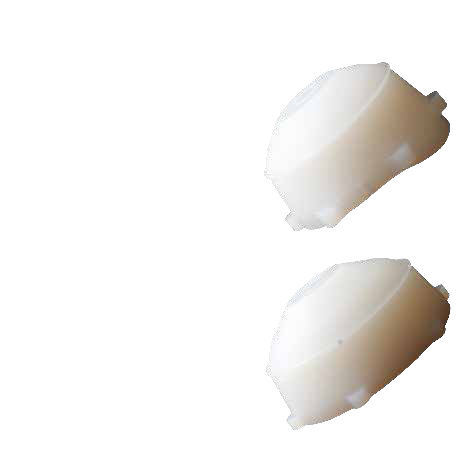
AMIStem-H is a femoral stem with a hydroxyapatite coating. Mpact is a cementless acetabular component with a range of sizes and liner options.
Planning prepares component size and positioning. Cementless fixation combines initial stability with progressive integration of the implant into bone.
Request a hip assessmentBIOLOGICAL FIXATION
Initial stability and progressive integration between the bone and the implant surface.
Porous surfaces and specialised component coatings are designed to encourage bone attachment without bone cement.
Explore cementless fixationThe implant's fit against the bone is designed to provide firm fixation from the time of surgery.
The component surface encourages bone attachment during recovery.
The aim is a stable attachment between bone and the implant surface.
EXPERIENCE AND PERSONALISED PLANNING
Lead trauma and orthopaedic surgeon
Specialist in Orthopaedic Surgery and Traumatology
Medical registration no. 30680
Experience in joint replacement surgery is combined with individual planning for each knee and hip procedure.
Studying the anatomy, selecting the procedure and explaining the options to the patient are central to the team's approach.
MEDICAL TEAM
Sports Medicine and Sports Traumatology
Clinical assessment, diagnosis, arthroscopic surgery and functional recovery, with individual treatment recommendations.
Medical degree from the University of Buenos Aires, with an Honours Diploma.
Specialist in Physical Education and Sports Medicine, University of Barcelona.
Clinical and surgical experience in shoulder, knee and ankle arthroscopy, and the care of sports injuries.
AFTER SURGERY
Walk with greater confidence. Return to your activities. Regain independence.
Rehabilitation and follow-up are part of treatment. Recovery progresses in stages and is adapted to each person's progress and needs.
BEFORE MAKING A DECISION
These are patient-specific instruments designed and manufactured using 3D images of your anatomy and the surgeon-approved plan. They include the specific guides required to reproduce that plan, together with any additional instruments needed for surgery.
Yes. MyHip uses a CT scan with a specific protocol. Where appropriate, standing and seated X-rays are added for spinopelvic assessment.
It allows the anatomy to be reconstructed and component dimensions and positioning to be studied before surgery. The team specifies which regions need to be included for the procedure.
Planning and specific instruments can simplify surgical steps. Duration depends on the procedure and individual circumstances. The team will give you an estimate during your consultation.
Bring your available reports and imaging, your medication list and information about previous treatments. The team will decide whether further tests are needed.
Confirm coverage for the consultation, implant and procedure with the clinic and your insurer before scheduling treatment.
YOU DESERVE AN INDIVIDUAL ASSESSMENT
A consultation to understand your needs and assess whether this treatment is suitable for you.
615 466 521Message us on WhatsAppConfirm team availability and your insurance coverage with the clinic.